J.Fisher Interiors · Austin, Texas
Online vs. In-Person Interior Design: Which Service Is Right for You?
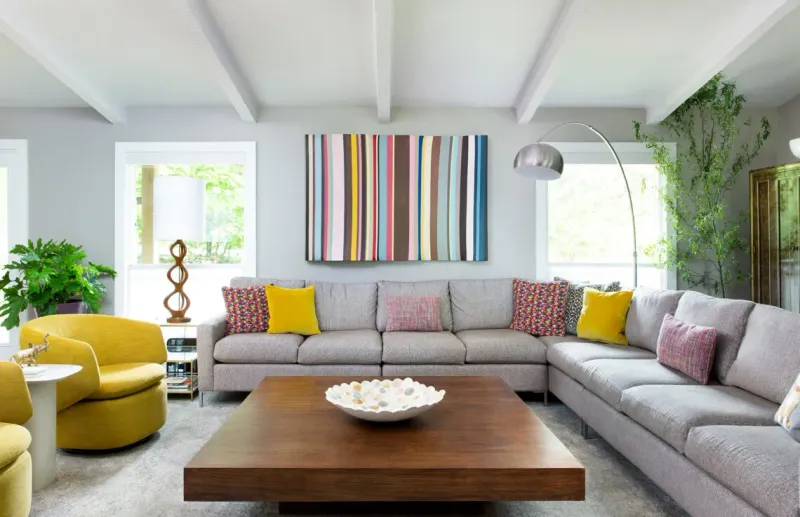
Interior design has become more accessible than ever, with homeowners now able to work with professional designers remotely or through traditional face-to-face services. Whether you’re refreshing a single room or planning a complete home transformation, choosing the right approach can influence everything from your budget to the finished result.
Both online interior design services and in-person design offer valuable benefits, but they’re not necessarily interchangeable. Understanding how each works can help you select the level of support your project needs.
What Are Online Interior Design Services?
Online interior design services allow homeowners to collaborate with a designer remotely, typically through video calls, photographs, measurements and digital design presentations.
Rather than visiting your property, the designer works from information you provide to develop recommendations tailored to your space.
Depending on the service, online design may include:
- Virtual consultations to discuss your goals and preferences.
- Mood boards, colour palettes and material suggestions.
- Furniture layouts and space-planning recommendations.
- Product sourcing and shopping lists.
- Digital renderings or visual concepts.
For homeowners looking to hire an interior designer online, this approach can offer flexibility without requiring regular appointments at the property.
However, the level of support varies significantly between providers. Some online design services deliver a concept and purchasing recommendations, while others offer more extensive remote collaboration.
What Does In-Person Interior Design Involve?
In-person interior design typically provides a more hands-on experience, with the designer visiting your home to assess the space, understand its architecture and discuss your lifestyle.
For larger residential projects, this may involve everything from initial planning and material selection to coordinating furnishings, installations and finishing details.
A comprehensive residential interior design service can also consider how individual rooms contribute to the overall character and functionality of your home.
In-person collaboration is particularly valuable when decisions depend on physical conditions, such as natural lighting, architectural proportions, existing finishes and how different spaces connect.
It also allows homeowners to experience materials and finishes before making significant investments.
Online vs. In-Person Interior Design: Key Differences
1. Convenience and Flexibility
Online design is often more convenient for homeowners with busy schedules, particularly when appointments can take place remotely.
It can also make working with designers outside your immediate location possible.
In-person services require greater coordination, especially when site visits, contractor meetings or showroom appointments are involved. However, this additional interaction can reduce the amount of project information homeowners need to gather themselves.
2. Cost and Project Scope
Online interior design services are often positioned as a more affordable option, particularly for straightforward room refreshes.
Costs depend on the provider, deliverables and amount of personalised support.
In-person design may involve higher professional fees because it can include site assessments, sourcing, project coordination and installation oversight.
Rather than comparing fees alone, consider which responsibilities are included and what you’ll need to manage independently.
3. Accuracy and Attention to Detail
Remote designers depend on accurate photographs, dimensions and descriptions.
For a relatively simple living room update, this may be sufficient.
However, projects involving custom cabinetry, architectural features or complex furniture arrangements often benefit from professional site measurements and physical assessments.
For example, planning a luxury kitchen interior may require detailed consideration of circulation, cabinetry, lighting and material transitions.
These decisions are often easier to resolve through direct collaboration.
4. Furniture, Materials and Finishes
Digital presentations are useful for exploring design directions, but colours and textures can appear different on screens.
In-person design allows homeowners to evaluate fabric samples, stone finishes, timber tones and upholstery together.
This can be especially important when creating a cohesive interior with layered materials and custom furnishings.
5. Project Management
Online design frequently places more responsibility on the homeowner for ordering, deliveries, contractor communication and installation.
Full-service in-person design may provide more extensive coordination, depending on the agreed scope.
For homeowners managing substantial renovations or furnishing an entire property, this distinction can be significant.
When Is Online Interior Design the Better Choice?
Online design may be suitable when you’re:
- Refreshing an existing room without structural changes.
- Comfortable taking measurements and managing purchases.
- Working with a relatively straightforward furniture layout.
- Seeking professional direction rather than comprehensive project management.
- Living outside your preferred designer’s service area.
The key is understanding exactly what your chosen package includes before committing.
When Should You Choose In-Person Interior Design?
In-person services may be more appropriate for larger or more detailed projects, including whole-home transformations, custom furnishings and renovations involving multiple trades.
They’re also valuable when you want a designer to understand how your home feels and functions beyond what photographs can communicate.
Homeowners investing in a highly personalised interior may benefit from the collaborative process and detailed attention that in-person design provides.
Choosing the Right Interior Design Service
Neither approach is universally better. The right choice depends on your project’s complexity, your preferred level of involvement and the decisions you need professional help making.
Before selecting a designer, ask about their process, deliverables, revision policy and whether they provide purchasing or installation support.
For homeowners considering a more comprehensive transformation, exploring the services offered by J. Fisher Interiors can provide a useful starting point for understanding the possibilities of professionally designed residential spaces.
Ultimately, the best interior design experience is one that combines your vision with the right level of expertise, collaboration and practical support.