J.Fisher Interiors · Austin, Texas
Sustainable Interior Design, Luxury Built to Last
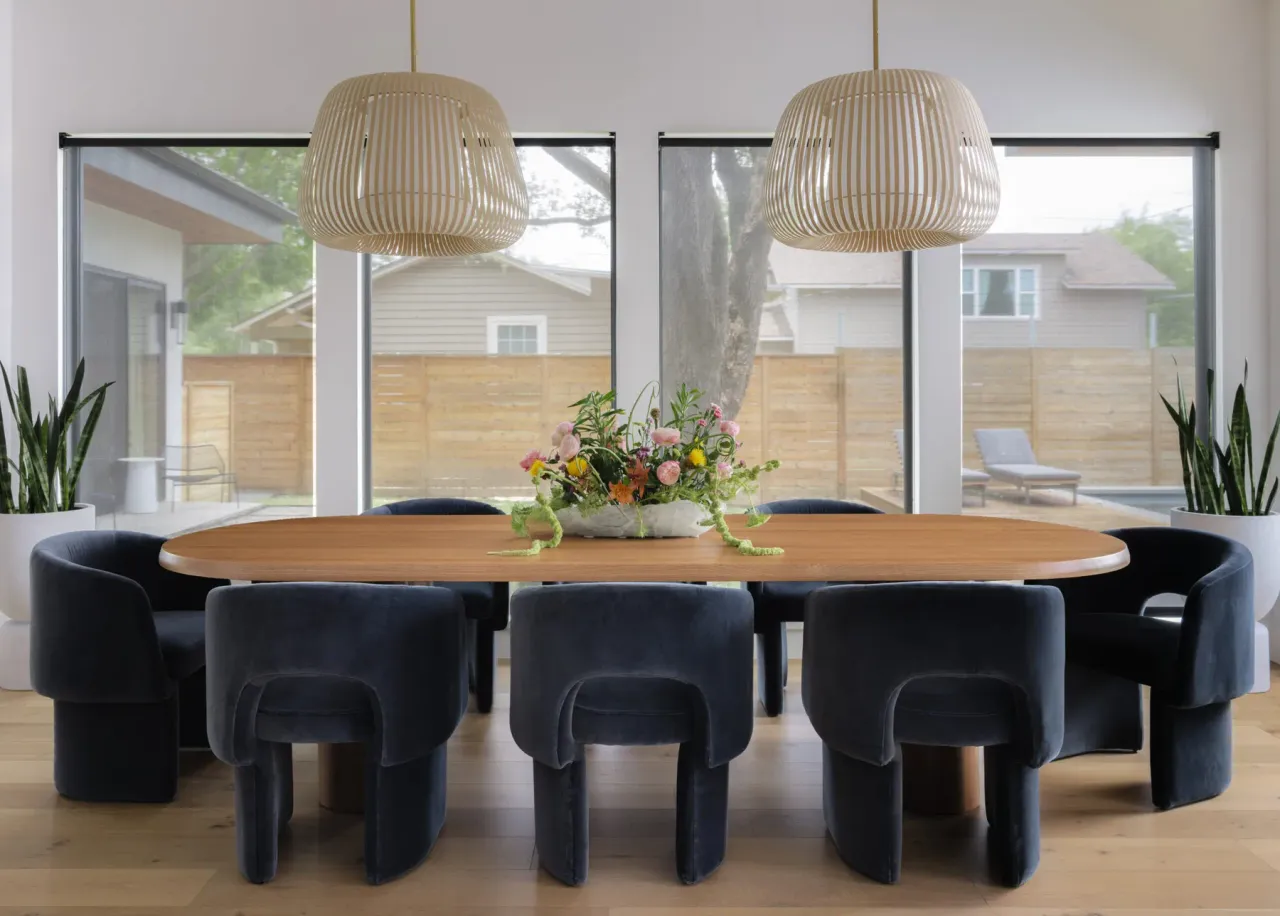
The most sustainable room I can design is one nobody wants to replace. That idea sits behind everything here, and it is why I see sustainable interior design as part of luxury, not a sacrifice against it.
Trends come and go. A solid walnut table, a wall of Texas limestone and linen curtains that soften with age will still feel right in thirty years. Here is how I approach it after more than two decades in this work, and what I would do in your home.
What Is Sustainable Interior Design?
Sustainable interior design, also called green interior design or eco friendly interior design, means choosing materials, furnishings and finishes that use fewer resources, last longer and keep the air in your home cleaner.
It has two sides. One is the planet, which means less waste, responsible sourcing and lower energy use. The other is personal, because you breathe the air in your home every day.
The Importance of Sustainable Interior Design
The benefits of sustainable interior design are easier to see at this level, not harder.
- Longevity. A well made piece can last for decades, so you buy once and nothing heads to a landfill.
- Cleaner indoor air. Many paints, varnishes, adhesives and synthetic fabrics release volatile organic compounds, or VOCs, into your home. Not all of them have an odor, so you may not know they are there.
- Beauty that improves. Natural materials develop patina. Synthetic ones simply wear out.
The Best Materials for Sustainable Interiors
Start with sustainable materials, because they do most of the work.
Solid hardwood. Oak, walnut and maple are far more durable than particle board, and they can be refinished instead of replaced. Look for Forest Stewardship Council (FSC) certification, which shows the wood comes from responsibly managed forests.
Natural stone. Marble and stone make beautiful tables, counters and accent walls. Texas limestone has only a short way to travel to an Austin home.
Natural fibers. Organic cotton, linen and hemp make soft, breathable bedding and drapery. For rugs, choose cotton or jute, since many trendy rugs are really plastic. The Global Organic Textile Standard (GOTS) label is a reliable sign on organic textiles.
Reclaimed wood. Beams, flooring and paneling from older buildings carry a depth of character new lumber cannot copy, and they keep good wood out of a landfill.
Cork. Cork flooring is warm underfoot, and because it comes from bark, the tree stays standing.
If you would rather avoid animal materials, there are more beautiful options than ever. Pineapple leaf fiber can stand in for leather, and linen or organic cotton can replace wool and silk. Our guide to leather alternatives goes further.
And never underestimate greenery. Our guide to using plants in interior design shows how a living wall or indoor garden can bring a room to life.
What to Leave Out of the Room
Knowing what to avoid matters just as much.
- High VOC paints and varnishes. Ask for low or no VOC products on every wall and piece of woodwork.
- Particle board and added formaldehyde. Cheaper furniture is often bonded with synthetic glues and resins that release gases into the room. Traditional wood joints, such as tongue and groove, depend far less on them.
- Added flame retardants. Some upholstery fabrics contain them, and they can irritate sensitive eyes and lungs. Ask before you order.
For upholstery, mattresses and finishes, GREENGUARD Gold certification is a useful shortcut, since it signals low chemical emissions.
Buy Less, and Buy Older
The greenest piece of furniture is often the one that already exists. An antique solid wood piece brings warmth and character no new order can match, and nothing has to be manufactured.
Austin makes this easy. Start with our vintage shopping guide, then plan a trip with my guide to the Round Top Antiques Fair.
Editing helps too. Simplifying a room moves you from chasing trends to choosing with intention, and I would rather find one extraordinary old piece than order three new ones.
Let the Light Do the Work
Daylight is the best light you will ever have, and Texas supplies plenty of it. Plan each room around it first.
After dark, use LED lighting on dimmers and timers, so a room can move from bright to low without wasting energy. Warm LEDs have come a long way, and they flatter a room as well as they save power. Our guide to lighting and design covers the layers I use.
Working With an Eco Friendly Interior Designer
A good eco friendly interior designer will raise these choices early, because sustainable luxury interior design works best when it is planned from the first drawing. Deciding what stays, what gets reused and where to invest is far easier before anything is ordered. Our guide on where to save and where to spend can help with that balance.
As a luxury interior designer in Austin, I want your home to feel elegant and comfortable while asking less of the planet. See our portfolio, explore our luxury residential interior design service, or book a discovery call to start a conversation.