J.Fisher Interiors · Austin, Texas
The 9 Austin Neighborhoods with the Most Distinctive Interior Style (and How to Design for Each)
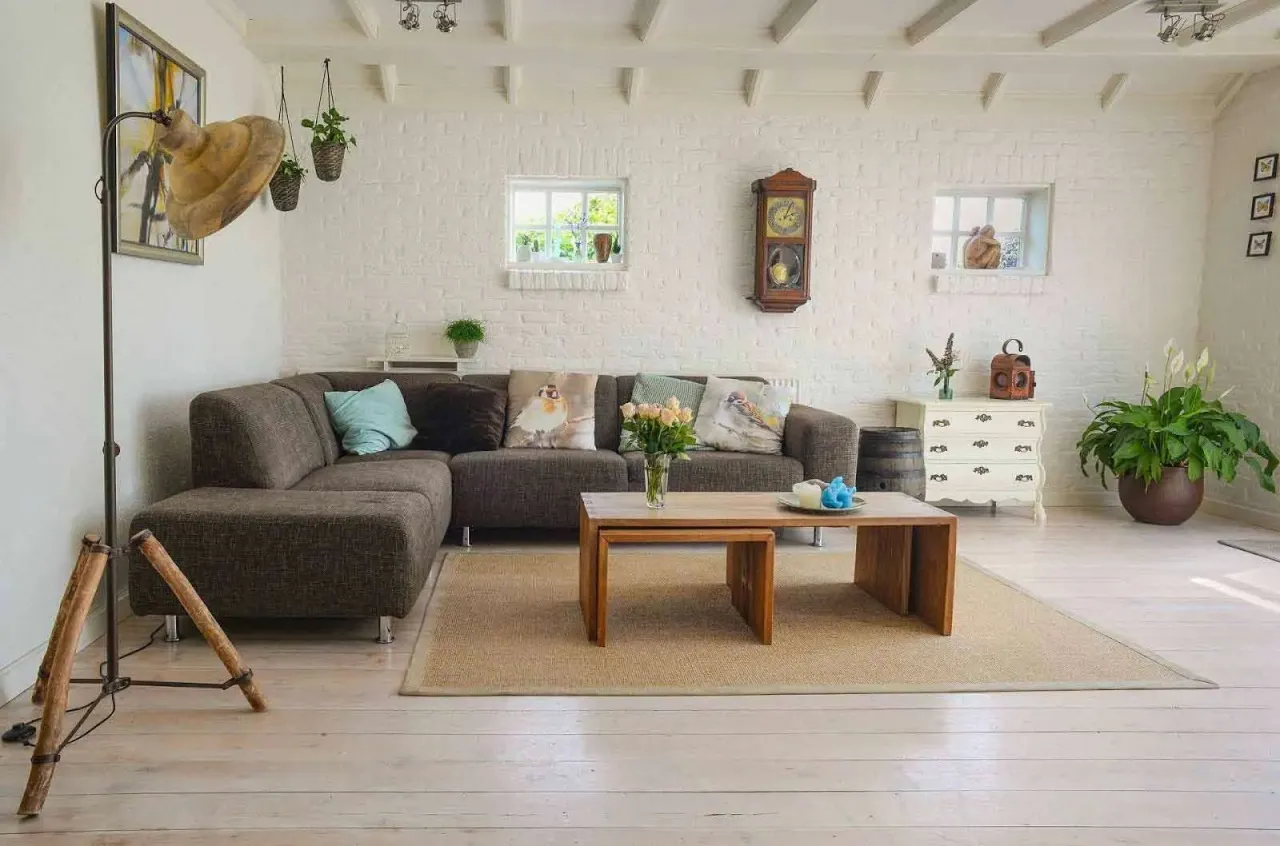
Austin’s architectural character is anything but uniform. From historic bungalows shaded by mature oak trees to contemporary hillside homes overlooking Lake Austin, the city’s neighborhoods offer remarkably different opportunities for interior design.
For homeowners, understanding the character of their neighborhood can provide valuable inspiration. However, successful Austin interior design isn’t about copying a particular aesthetic. It’s about balancing the property’s architecture, its surroundings and the people who live there.
Here are nine Austin neighborhoods with distinctive design identities, alongside ideas for creating interiors that complement each setting.
1. Hyde Park: Historic Charm and Thoughtful Restoration
Hyde Park is known for its historic homes, including Craftsman bungalows and early twentieth-century residences.
These properties often feature original woodwork, inviting porches and intimate room proportions.
Design approach:
- Preserve architectural character while introducing contemporary comfort.
- Consider warm timber finishes, vintage-inspired lighting, natural textiles and furniture that respects the home’s scale.
- Rather than removing every historic feature, thoughtful restoration can create an interior that feels both authentic and practical.
2. Tarrytown: Understated Luxury and Timeless Elegance
Tarrytown’s established residential streets feature a mixture of traditional homes, renovated properties and substantial contemporary residences.
Its leafy surroundings lend themselves to interiors that prioritise timeless materials and quiet sophistication.
Design approach:
- Combine classic proportions with contemporary furnishings.
- Natural stone, tailored upholstery, warm neutrals and carefully selected artwork can create an elegant but comfortable environment.
- For larger homes, a cohesive residential interior design strategy helps maintain consistency between formal entertaining areas and everyday family spaces.
3. East Austin: Creative, Eclectic and Individual
East Austin’s architectural landscape includes older cottages, renovated bungalows, modern infill developments and contemporary townhomes.
This diversity creates opportunities for more experimental interior design.
Design approach:
- Embrace personality through colour, texture and contrasting materials.
- Statement artwork, vintage furniture, sculptural lighting and distinctive textiles can bring individuality to a space.
- The key is maintaining visual balance. An eclectic interior should feel intentionally layered rather than crowded.
4. Westlake: Contemporary Luxury and Natural Surroundings
Westlake’s hillside setting and larger residential properties make it a natural fit for interiors that celebrate architecture and outdoor views.
Many contemporary homes incorporate expansive glazing, open-plan layouts and natural materials.
Design approach:
- Let the landscape influence the palette.
- Limestone, oak, muted earth tones and textured fabrics complement the surrounding Hill Country environment.
- Furniture arrangements should preserve sightlines while creating comfortable spaces for conversation and relaxation.
5. Clarksville: Historic Character Meets Modern Living
Clarksville combines historic cottages, traditional residences and carefully updated homes close to central Austin.
Its architectural variety makes a sensitive balance between old and new particularly effective.
Design approach:
- Retain distinctive architectural details while introducing modern functionality.
- Custom storage, layered lighting and refined furniture can help older rooms accommodate contemporary lifestyles.
- Where space is limited, carefully proportioned furnishings are often more successful than oversized statement pieces.
6. Travis Heights: Artistic, Relaxed and Nature-Inspired
Travis Heights features historic bungalows, distinctive renovations and homes surrounded by mature trees.
The neighborhood’s relaxed atmosphere suits interiors that feel welcoming rather than overly formal.
Design approach:
- Combine natural textures with expressive decorative details.
- Think warm woods, woven materials, comfortable upholstery and carefully chosen colour accents.
- Connecting interior spaces with outdoor living areas can also strengthen the relationship between the home and its setting.
7. Barton Hills: Organic Modern Design
Located near Barton Creek Greenbelt and Zilker Park, Barton Hills offers an appealing connection to Austin’s outdoor lifestyle.
Its housing includes mid-century properties, established family homes and contemporary renovations.
Design approach:
- Explore organic modernism through simple forms and tactile materials.
- Natural timber, stone, soft neutrals and understated furnishings create calm interiors without feeling minimal or impersonal.
- For kitchens, integrating practical storage with durable finishes is particularly important. Explore how a professionally designed kitchen can combine everyday function with architectural character.
8. Bouldin Creek: Modern, Playful and Design-Led
Bouldin Creek’s mix of older homes and contemporary architecture creates opportunities for interiors that blend contrasting influences.
The neighborhood’s creative identity often complements less conventional design choices.
Design approach:
- Introduce distinctive furniture, bold artwork and unexpected combinations of materials.
- A contemporary sofa might sit alongside a vintage cabinet, while colourful ceramics provide contrast against restrained architectural finishes.
- Maintaining a consistent palette or material theme can help unite these elements.
9. Old West Austin: Architectural Heritage and Refined Interiors
Old West Austin includes several historic residential areas, with homes reflecting different architectural periods.
These properties often benefit from design decisions that acknowledge their original craftsmanship.
Design approach:
- Focus on restoration, proportion and carefully considered updates.
- Traditional millwork, quality natural materials and thoughtfully integrated modern conveniences can preserve character while improving usability.
- Rather than forcing a particular trend, aim for an interior that feels appropriate to the home’s architecture.
Designing a Home That Reflects Austin and You
Although each neighborhood has its own architectural identity, no single interior style defines an entire area.
A historic bungalow can accommodate contemporary furniture, just as a modern hillside property can benefit from antique pieces and traditional craftsmanship.
The most successful interiors respond to the building, the surrounding environment and the homeowner’s lifestyle.
For those exploring luxury interior design in Austin, J. Fisher Interiors provides a starting point for creating spaces that balance individual expression with thoughtful design.
Ultimately, your neighborhood can inspire your home’s character, but your personal vision should shape the finished result.