J.Fisher Interiors · Austin, Texas
What Happens in an Interior Design Consultation?
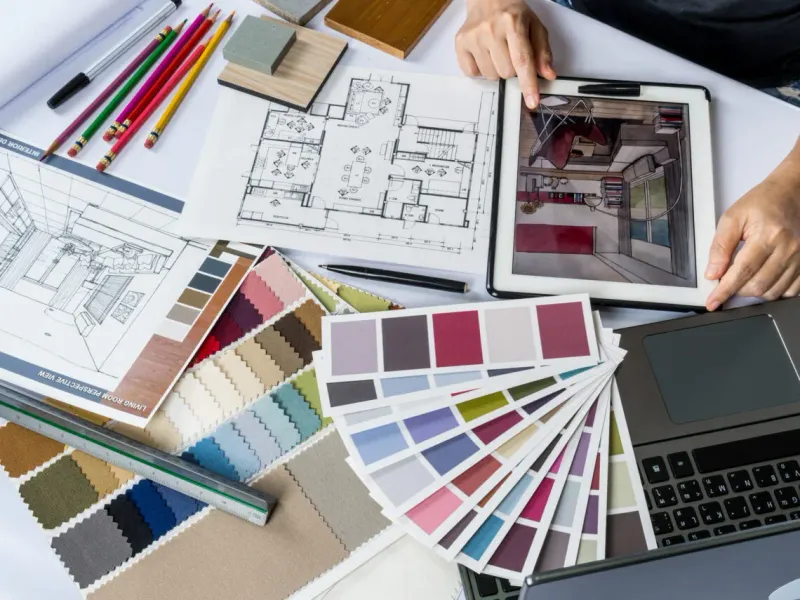
An interior design consultation is often the first step towards creating a home that feels more functional, cohesive and personal. Whether you’re considering a single-room refresh or a complete renovation, this initial conversation helps establish your vision and determine how a professional designer can support it.
If you’ve never worked with an interior designer before, you may be wondering what actually happens during the appointment, what you need to prepare and whether you’ll receive design recommendations straight away.
Here’s what to expect from the consultation process.
What Is an Interior Design Consultation?
An interior design consultation is an initial meeting between a homeowner and a designer to discuss a potential project.
Its purpose is to understand your space, priorities, aesthetic preferences, budget expectations and practical requirements.
Depending on the designer and service, consultations may take place in your home, at a design studio or virtually.
Some appointments focus on assessing whether the project is a good fit, while others provide more immediate design advice.
Understanding the consultation’s purpose beforehand will help you know what to expect.
Step 1: Discussing Your Vision and Lifestyle
Most interior design consultations begin with a conversation about how you want your home to look and feel.
Your designer may ask questions such as:
- Which rooms are you planning to redesign?
- What currently works or doesn’t work in your space?
- How do you use each room throughout the day?
- Are there particular colours, materials or styles you prefer?
- Do you entertain regularly, work from home or have specific storage needs?
- What would make the finished project successful for you?
These questions help establish the relationship between aesthetics and everyday functionality.
For example, a beautiful living room must also accommodate how your household relaxes, entertains and moves through the space.
Step 2: Reviewing Your Existing Space
During an in-home interior design consultation, the designer may walk through the property to understand its layout, architectural features and existing finishes.
They’ll consider elements such as natural light, room proportions, circulation and opportunities to improve how different spaces connect.
For projects involving luxury residential interior design, this broader perspective can help create a consistent design language throughout the home.
A virtual design consultation works slightly differently.
You may be asked to provide photographs, floor plans, measurements or a video walkthrough before the appointment.
Both approaches can be productive, although physical site assessments are particularly useful for complex renovations.
Step 3: Exploring Your Interior Design Style
You don’t need to know your exact design style before meeting a professional.
In fact, helping homeowners identify and refine their preferences is an important part of the process.
Your designer may discuss inspiration photographs, existing furniture, artwork or interiors you admire.
Rather than simply choosing between modern, traditional or transitional styles, the conversation may explore more specific qualities.
Do you prefer warm natural materials or cooler architectural finishes? Are you drawn to understated elegance or expressive colour and pattern?
These details help establish a design direction that reflects your personality rather than following a temporary trend.
Step 4: Discussing Budget and Timeline
Budget is an essential part of any successful design project.
Your consultation will usually include a discussion about your anticipated investment and which aspects of the project matter most.
A designer may explain how factors such as custom furniture, specialist finishes, construction requirements and product lead times can influence the overall cost.
It’s also helpful to discuss your preferred completion date and whether you’re working towards a particular event or move-in deadline.
Being open about your expectations allows the designer to assess what’s realistic.
Step 5: Understanding the Design Process
Every interior design studio operates differently, so the consultation is an opportunity to understand how the project would progress.
Depending on the scope, subsequent stages might include concept development, space planning, material selection, furniture sourcing and installation coordination.
For larger transformations, understanding how decisions are approved and communicated is especially important.
If you’re considering redesigning several rooms, ask how the designer maintains consistency across the property while giving each space its own character.
How Should You Prepare for an Interior Design Consultation?
You don’t need a complete design brief, but a little preparation can make your meeting more productive.
Consider gathering:
- Photographs of your existing interiors.
- Inspiration images showing styles you like.
- A list of practical problems you’d like to solve.
- Any available floor plans or measurements.
- Details of furniture or artwork you want to retain.
- Your approximate budget and preferred timeline.
It’s also worth discussing the project with anyone else involved in major decisions before the consultation.
What Happens After the Consultation?
The next steps depend on the designer’s process.
You may receive information about the proposed scope of work, professional fees, project phases or a formal design agreement.
Detailed drawings, material specifications and completed room concepts are generally separate from an introductory consultation unless explicitly included.
The goal is to establish whether the collaboration is right for both parties and identify a clear direction for moving forward.
Is an Interior Design Consultation Worth It?
A consultation can help you clarify priorities, understand the design process and avoid making decisions without considering the bigger picture.
For homeowners in Austin considering a personalised residential project, J. Fisher Interiors offers an opportunity to explore professional design services and the possibilities for their space.
Whether your plans involve a single room or an entire home, the right initial conversation can provide the foundation for a thoughtful, cohesive interior.